Durch Klicken auf „Alle akzeptieren“ gestatten Sie den Einsatz folgender Dienste auf unserer Website: YouTube, Vimeo, ReCaptcha. Sie können die Einstellung jederzeit ändern (Fingerabdruck-Icon links unten). Weitere Details finden Sie unter Konfigurieren und in unserer Datenschutzerklärung.
Einstellungen, die Sie hier vornehmen, werden auf Ihrem Endgerät im „Local Storage“ gespeichert und sind beim nächsten Besuch unseres Onlineshops wieder aktiv. Sie können diese Einstellungen jederzeit ändern (Fingerabdruck-Icon links unten).
Informationen zur Cookie-Funktionsdauer sowie Details zu technisch notwendigen Cookies erhalten Sie in unserer Datenschutzerklärung.
Um Inhalte von YouTube auf dieser Seite zu entsperren, ist Ihre Zustimmung zur Datenweitergabe und
Speicherung von Drittanbieter-Cookies des Anbieters YouTube (Google) erforderlich.
Dies erlaubt uns,
unser Angebot sowie das Nutzererlebnis für Sie zu verbessern und interessanter auszugestalten.
Ohne
Ihre Zustimmung findet keine Datenweitergabe an YouTube statt, jedoch können die Funktionen von YouTube
dann auch nicht auf dieser Seite verwendet werden.
Um Inhalte von Vimeo auf dieser Seite zu entsperren, ist Ihre Zustimmung zur Datenweitergabe und
Speicherung von Drittanbieter-Cookies des Anbieters Vimeo erforderlich.
Dies erlaubt uns,
unser Angebot sowie das Nutzererlebnis für Sie zu verbessern und interessanter auszugestalten.
Ohne
Ihre Zustimmung findet keine Datenweitergabe an Vimeo statt, jedoch können die Funktionen von Vimeo
dann auch nicht auf dieser Seite verwendet werden.
Um Formulare auf dieser Seite absenden zu können, ist Ihre Zustimmung zur Datenweitergabe und Speicherung von Drittanbieter-Cookies des Anbieters Google erforderlich.
Durch Ihre Zustimmung wird reCAPTCHA, ein Dienst von Google zur Vermeidung von Formular-SPAM, eingebettet.
Dieser Dienst erlaubt uns die sichere Bereitstellung von Online-Formularen für unsere Kunden und schließt gleichzeitig SPAM-Bots aus, welche ansonsten unsere Services beeinträchtigen könnten.
Sie werden nach Ihrer Zustimmung unter Umständen dazu aufgefordert, eine Sicherheitsabfrage zu beantworten, um das Formular absenden zu können.
Stimmen Sie nicht zu, ist eine Nutzung dieses Formulars leider nicht möglich. Nehmen Sie bitte über einen alternativen Weg zu uns Kontakt auf.
Sie möchten diesen Inhalt sehen? Aktivieren Sie den gewünschten Inhalt einmalig oder legen Sie eine dauerhafte Freigabe fest. Bei Zustimmung werden Daten beim genannten Drittanbieter abgerufen. Dabei werden unter Umständen Drittanbieter-Cookies auf Ihrem Endgerät gespeichert. Sie können diese Einstellungen jederzeit ändern (Fingerabdruck-Icon links unten). Weitere Details finden Sie in unserer Datenschutzerklärung.
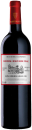
Die Geschichte der Familie Brun aus St. Emilion lässt sich bis 1571 zurückverfolgen. Von der 9,6 Hektar großen Rebfläche wird einzig der Chateau Brun erzeugt – ca. 48.000 Flaschen im Jahr.
Herve Brun pflegt die alten Weinbautraditionen von St. Emilion. Unterstützt wird die Familie dabei von einem der besten Önologen: Gilles Paquet, er ist auch für die Weine von den Chateaux Ausone und Cheval Blanc zuständig.
85% Merlot (von bis zu 65 Jahre alten Reben), 13% Cabernet Franc und 2% Cabernet Sauvignon
Im Weinberg:
Die Weinberge liegen auf einem nach Südwesten ausgerichteten Hügel mit Lehm-Kalkböden und profitieren von einer hervorrangenden Drainage.
Im Weinkeller:
Maischegärung in traditionellen Betontanks, mindestens 18 Monate in 30% neuen Barriques
% vol Alk:
13,5
Notizen des Weinguts:
Eye: The color is judged according to its color and intensity (light, dark, dark, intense). A visual inspection information on age, variety and quality of the vintage. The hard surface of the wine is wine. Its brightness and thickness learn about his age. Plus the disc is thicker, the wine is changed. Finally, the tears that cling to glasses of wine reflect the fat and viscosity.
Nose: The first nose is the inspiration over the glass from the wine poured. The first nose information about the personality of the wine and its possible defects. Before the second nose, shaking the glass to oxygenate the wine. You consider, then, the intensity of flavors and richness. New notes will appear. Then, it is interesting to dive back into the glass to see the evolution As the tasting. It classifies flavors per family (floral, animal, fruit, mineral, forest ...) resulting from various stages of winemaking:
- Primary aromas: specific varietal. Ex: flowers, animals, minerals, fruit, vegetable ...
- Aromas secondary: related to fermentation.
- tertiary aromas (or bouquet) : due to the aging in barrels. These are the aromas of aging that can take over the primary aromas. The taste of wood, spice and toast from this step.
Mouth:
First contact: the attack, which will be of quality if it is honest and precise but also full and aromatic. The mid-palate is the development and combines the tactile sensations as well as retro-olfaction. It then determines the balance between all the wine its "ingredients" (alcohol, bitterness, tannin ...). The finish is calculated caudalies (number of seconds of persistent flavors). A great wine has an aromatic persistence of more than 10 seconds. The difficulty is to separate the good aromatic persistence and sensations of acidity and alcohol that her persistent.
Potenziell allergene Substanzen:
Enthält Sulfite. Kann Spuren von Eiweiß, Gelatine und Milch enthalten.
Warnungen:
Der Konsum von alkoholhaltigen Getränken während der Schwangerschaft kann selbst in geringen Mengen schwere Konsequenzen für die Gesundheit des Kindes nach sich ziehen.